
If one pictures the image of Brazil in one’s mind, one would probably be imagining standing at the top of Corcovado Mountain alongside the Christ the Redeemer Monument, later going down the neighborhoods of the hills, to finally end up in the richer, more beautiful part of town with places like Botafogo and Copacabana. A similar descent is one that Brazil’s economy could take, given the recent peak in its 10-year government yield and the central bank’s recent discussion of rate cuts in the upcoming months.
Last year, we saw that Brazil’s GDP growth in the fourth quarter was 0.1%, a figure that fell short of the 0.2% forecast by analysts. Looking deeper, we saw that agriculture, with a 0.5% increase, and services, with a 0.8% increase, were the main drivers of growth while industry fell 0.7% and family consumption stayed flat. Unemployment is near its lowest level in over a decade. Brazil is the largest oil exporter in South America, and higher oil prices due to the conflict in Iran could boost its exports further. The state of the country is a good definition of what a resilient economy looks like, one that, with its many current issues, including high inflation, high rates, and fiscal concerns, Brazil continues to find unexpected growth opportunities. This mix of strength and uncertainty has left investors wondering about Brazil’s future direction.
The yield on Brazil’s 10-year bond has spiked to 14.3%, among the highest in the LatAm region. In emerging markets, yields are often higher than in developed countries because investors demand extra compensation for volatility, inflation risk, and political uncertainty. These bonds aren’t as safe or stable as a 10-year U.S. Treasury, which is why Brazil’s high yield reflects both risk and opportunity.
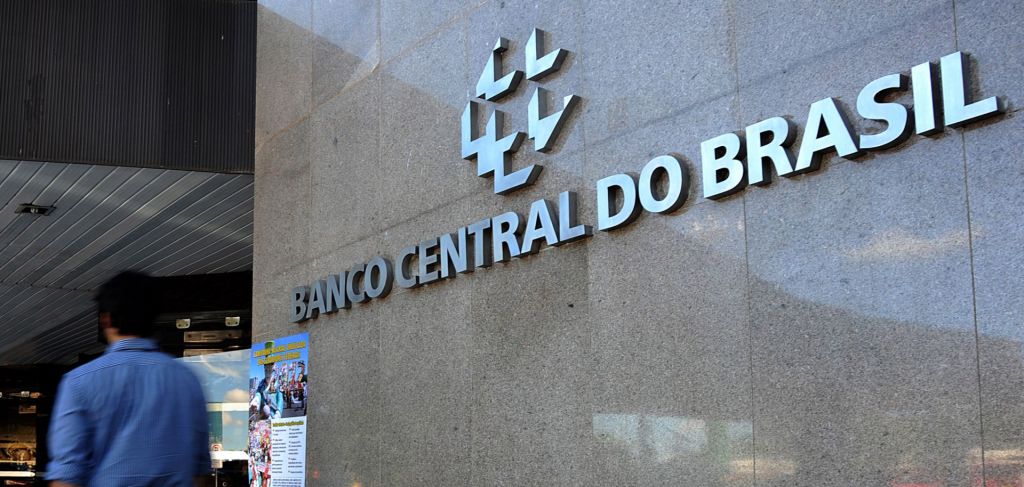
The Brazilian Central Bank, which controls the Selic rate, has stated the possibility of rate cuts by the end of March. Typically, cutting rates is a main tool of monetary policy to help a slow economy grow, thus expecting an increase in economic activity. However, in the case of Brazil, this is not the only way to view its situation. We have a country whose unemployment rate is at its lowest level in years and whose economy is showing strong resilience, with its GDP still increasing. We also have to consider the scenario in which cutting rates could provide some cushion for an expected fall, helping the Brazilian Central Bank avoid a hard landing
Investigating this story, I’ve realized that rate cuts aren’t just for boosting slow economies; they can also ease an expected descent. I’ve also begun to appreciate the difference in investor sentiment toward a “safe” benchmark like the 10-year U.S. Treasury versus an emerging market bond, where higher yields reflect both risk and opportunity.


Leave a Reply